2026-10-23 ·
Mold Risks Near the Chatsworth Nature Preserve
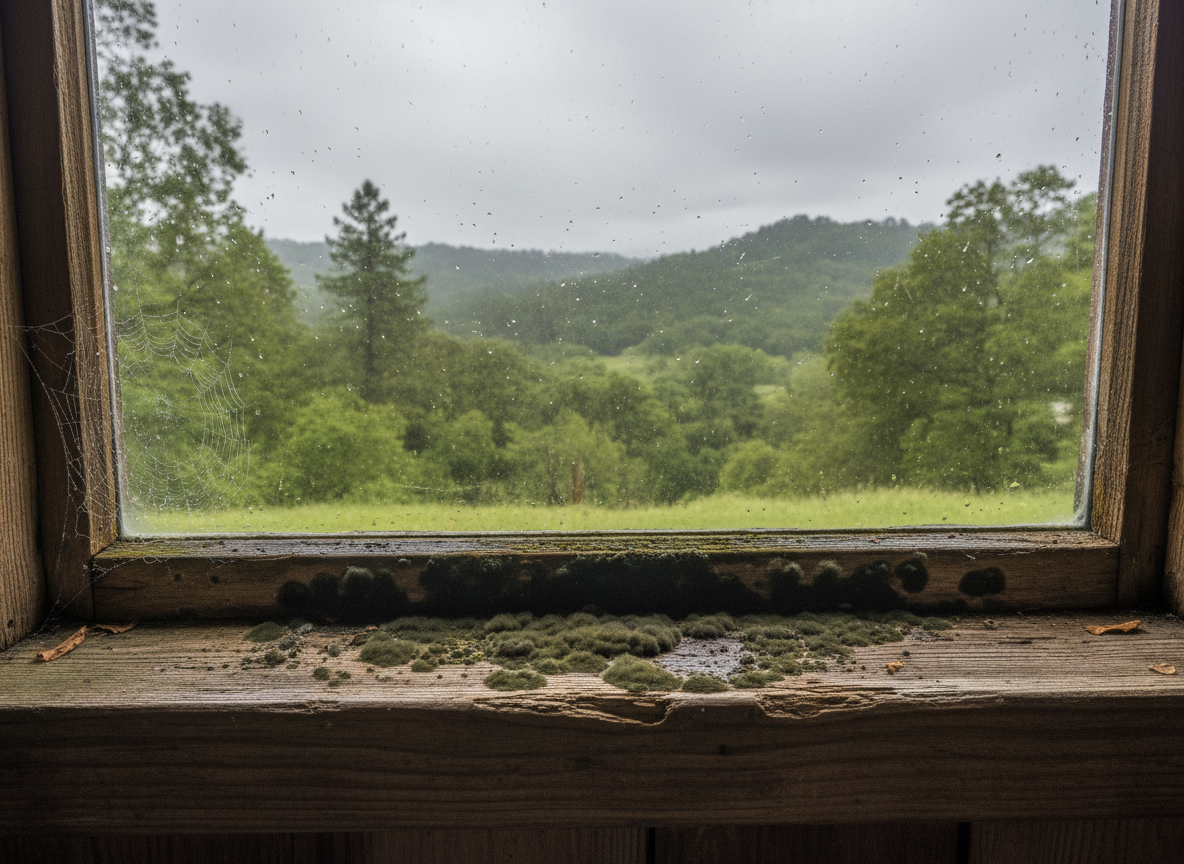
Homes bordering the Chatsworth Nature Preserve face elevated mold risks from dense plant life and seasonal water flow that seeps into foundations and crawl spaces, especially in West Chatsworth and areas near Chatsworth Park South.
Vegetation and Runoff Patterns Around the Preserve
The Chatsworth Nature Preserve and adjacent Santa Susana Pass State Historic Park create pockets of higher ground moisture that reach nearby properties in West Chatsworth. During mild winters, rainfall drains from the preserve's slopes toward residential streets, saturating soil around older single-family homes built in the 1960s and 1970s. This constant dampness penetrates stucco exteriors and slab foundations common in Downtown Chatsworth, allowing spores to colonize within 48 hours of saturation. Residents near Orcutt Ranch report similar issues where irrigation from preserve-adjacent trails combines with natural drainage to keep crawl spaces humid year-round.
Climate Effects on Mold Growth in Los Angeles County
Chatsworth's Mediterranean climate with hot dry summers and mild winters concentrates mold activity between November and March when rains arrive. Summer heat above 90 degrees often dries surface moisture quickly, yet hidden pockets behind walls in homes near the preserve retain enough humidity for growth. Properties in Chatsworth Park experience slower drying because tree cover from the preserve blocks direct sun, extending the window for spore settlement. This pattern differs from drier inland pockets and requires targeted inspection of attics and basements after each storm system passes through the Santa Susana Pass corridor.
Entry Points in Local Housing Stock
Many homes near the preserve sit on lots that slope toward the natural area, directing water under porches and into garages. In West Chatsworth, original 1970s construction often lacks modern vapor barriers, allowing moisture from preserve runoff to wick into drywall. Nearby neighborhoods like those bordering Northridge and Canoga Park share similar terrain challenges where eucalyptus and oak roots from the preserve draw extra water that later evaporates into home envelopes. Checking for soft flooring or musty odors after winter rains helps identify these points before widespread growth occurs.
For properties showing signs after heavy rains, when to test air quality after water damage in Chatsworth outlines practical next steps. Professional assessment through mold remediation near me addresses hidden colonies common in this terrain without unnecessary disruption to daily routines.
Practical Steps for Homeowners Near the Preserve
Inspect exterior grading around foundations twice yearly, especially along the western edges of lots facing the preserve. Clear debris from French drains and downspouts before winter to reduce backup toward living spaces. In Chatsworth Hills and Devonshire Highlands, adding soil amendments improves drainage away from slabs without altering natural preserve boundaries. These measures limit the moisture load that drives mold in older homes typical of the area.
Reviewing cost guide for mold remediation in Chatsworth helps residents plan for targeted work when issues appear near the preserve boundary.